
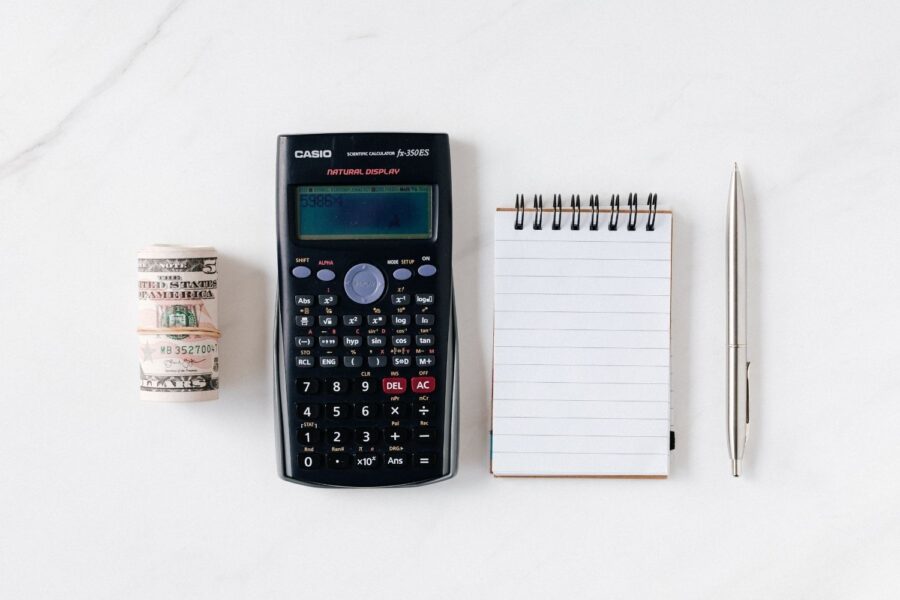

Have you started a family and are you thinking about how to set up a family budget? Or have you had a family for a while, but you just can’t seem to make ends meet? Or are you simply generally interested in the topic of budgeting? In this article, you will learn how to work with income, expenses, and perhaps even save a few crowns.
1. Determine your regular income and expenses
First, you need to gather your income and expenses. Without this data, you won’t get very far. Sit down and list all your regular income. Then list all your regular expenses. Those that repeat every month and must be paid. These include:
- Rent, utilities, and other costs associated with housing
- Mortgages, loans, consumer credit, and other debts
- Phone bill, internet, special TV programs, etc.
- Savings (life, pension, building savings…)
- Other regular fees and payments
2. Calculate your remaining money per day
You know your regular income and expenses. Subtract these from each other and calculate how much money you have left after paying all your expenses. The resulting amount is information about how many crowns you have available for that month.
Now calculate the amount you have available. Per day or per week, it’s up to you. If we take it per day, divide the amount by the number of days. For example, 30. You will see how much you can spend each individual day. If you then don’t buy anything for 3 days, the amount you can spend on the 4th day is higher.
Do you have very little money left after deducting regular expenses? In this case, you have only 2 options:
- Increase your income (a second job, creating passive income, or other supplementary income)
- Reduce your expenses (think about which things in your life you don’t really need and can live without for a while)
How to save money for a piggy bank while budgeting?
You know how much you can spend each day. Always put a week’s worth of spending money in your wallet. That is, the amount per day * 7. Anything left in your wallet at the end of the week, put it in a piggy bank. At the beginning of the new week, put the money earmarked for the next week back in your wallet.
Calculating money per day and putting money in your wallet with the exact amount earmarked for a given week has great advantages. You know how much you can afford to spend each day. If you exceed the daily amount, spend a little less the next day. You will think more about your expenses, be more aware of them, and strengthen your financial literacy as a result.
Family budget and the envelope method
I will offer you another method, which requires envelopes. Whether they are plastic or classic paper ones. Create categories. Each category has its own envelope, into which you put a predetermined amount to spend each month. Again, first determine the difference between your income and expenses. Allocate money to the individual categories after deducting expenses. Give the most money to food, a little less to drugstore items, etc. It depends on your lifestyle and priorities.

Examples of categories:
- Food
- Drugstore items
- Petrol
- Clothing
- Entertainment
If you have an envelope labelled “food” that is empty and there are still a few days until payday, use money from another envelope. For example, from entertainment or clothing.
Apps for your family budget
Do you like order and clarity in things? You can also use various financial apps for your family budget. Enter your income here and then add expenses to different categories. Summaries will show you how much you spend on what. Want to know where your money is going? Fill out the app honestly. It doesn’t have to be forever, but ideally stick with it for 2-3 months.
Create a family budget according to your possibilities. Try never to spend money you don’t have. Money you have extra, use for investing. Do not let it sit in a bank account, where inflation will devalue it.
Did you find this article helpful? Send it to your friends.
