
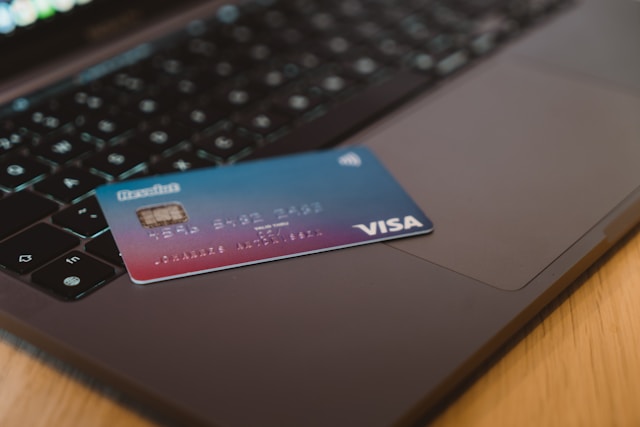

Buying goods and services online is becoming more and more popular. The COVID-19 pandemic helped a lot with this, and many customers no longer want to go back to bricks-and-mortar shops. And why would they, when you can sort everything out from the comfort of your home? But what about cases in which you buy goods online and they never arrive? Chargeback exists for exactly this type of situation.
What is a chargeback?
Put simply, a chargeback means your bank returns your money. The system was originally created by payment card issuers, who wanted to protect consumers in cases of fraudulent card use (for example, when a card is stolen). Today, however, a chargeback is generally seen more as a complaint about a financial transaction in which rules or the law were broken. In the Czech Republic, chargebacks are regulated by law, but also by European Union regulations and the rules of card associations (for example, Visa or MasterCard).
When can you use a chargeback?
There are several situations in which you can request a chargeback.
One of them is when someone steals your card and uses it for their own benefit. In this case, the cardholder did not consent to any of these transactions, so this is fraud and misuse of the card.
Another fairly common situation is when the payment gateway gets stuck while you are paying for goods, and money is taken from your card more than once.
Another example is when the payer authorises a payment, but for some reason it does not go through. One example is sending money to an account that does not exist (for example, if one digit in the account number is wrong, and so on).
Finally, there is a situation that perhaps every one of us has experienced. This is a chargeback linked to a dispute between the payer and the payee. Typically, you order something from an online shop, but there is a problem with the goods delivered.
Examples of these situations
- You order goods from an online shop. The description, colour, brand, condition of the goods, etc. do not match. The seller does not respond to your emails or phone calls.
- You order expensive cosmetics. They never arrived, the online shop has already closed down and you cannot find any contact details.
- You went for a new manicure, the polish peeled off 2 days later and the 3 hours you spent in the salon were wasted. The manicurist insists everything is fine and refuses to fix your nails, even though she had previously claimed the polish would last 14 days.
- In a shop, the seller charged the amount in a different currency, so an unfavourable exchange rate was applied.
- The airline cancelled your flight and refuses to give you a refund.
- You cancelled your subscription to an online newspaper. But money still disappears from your card every month.
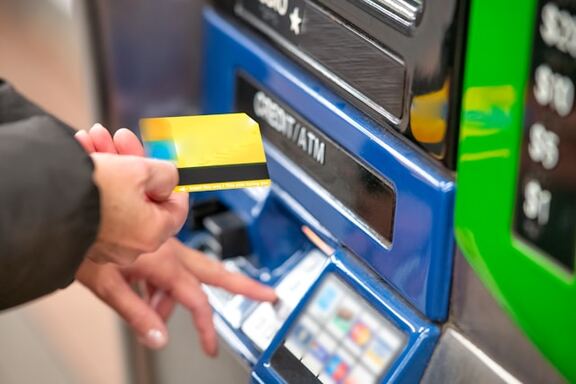
There are of course many more situations, but these are some of the most common. A chargeback also applies when a cash machine did not give you any money, even though you had enough money in your account, but the money was still taken from your account.
How do you claim a chargeback?
A chargeback is therefore a complaint about financial transactions. Unlike a standard complaint, however, you do not make it to the seller you bought the goods or service from, but to your bank, which then requests the money back from the payee’s bank. To carry out a chargeback, you need documentation proving that the situation entitles you to it. The more evidence, the better. You therefore need to provide all the documents you have relating to the matter, such as the order, the order confirmation, the invoice, a bank statement confirming the payment, and emails showing that the seller is not cooperating and does not accept your complaint. This is because the chargeback process is not entirely simple and is also not cheap for banks. At the same time, chargebacks are quite a popular tool for fraud, so banks need to check that you are really entitled to one.
How long does it take?
You can normally request a chargeback within 13 months of making the payment. Of course, the sooner you request it, the greater the chance that your request will be dealt with quickly and successfully. However, each card issuer also sets its own deadline for making a claim in its terms and conditions. In any case, according to a decision of the Financial Arbiter, statutory rules take precedence over the rules of card associations. So if the rules of the card association that issued your card only allow a chargeback within 2 months, the longer statutory period still applies.
How long you will wait for your refund varies. If it is an unauthorised transaction, the bank usually returns the money straight away. If it is an authorised payment or a more complicated case, it may take longer, but the time depends on your bank.
If you want to see what applies at your bank, you can find the rules for ČSOB here, for Česká spořitelna here and for KB at this link. However, every bank should provide this information on its website. There you will usually also find a list of all the information you must give the bank and whether that particular bank has a form for it.
In general, though, it is important to check which online shops you order goods from and then keep all documents relating to the order at least until it has been successfully completed (the goods delivered, the service provided) and until the end of the warranty period. You never know what might happen.
If you have faulty goods that you want to make a complaint about, also take a look at this article of ours, which covers this topic.